

South Korean Ambassador Choi Young-sam said that Vietnam will not only be a manufacturing base, but also has the potential to become a country that creates innovation.
After 33 years since the establishment of diplomatic relations in 1992, Vietnam–South Korea relations have expanded both in scope and depth of cooperation, marked by the important milestone of becoming a Comprehensive Strategic Partnership in December 2022. Currently, bilateral cooperation spans a wide range of fields, including economy, trade, investment, defense and security, education and training, labor, and science and technology.
In the period ahead, the leaders of the two countries have agreed to continue promoting cooperation in key areas, with the expectation that science and technology will become a new pillar and highlight of Vietnam–South Korea relations. VnExpress spoke with South Korean Ambassador to Vietnam Choi Young-sam to hear his assessment of the potential and opportunities that lie ahead for the two countries.
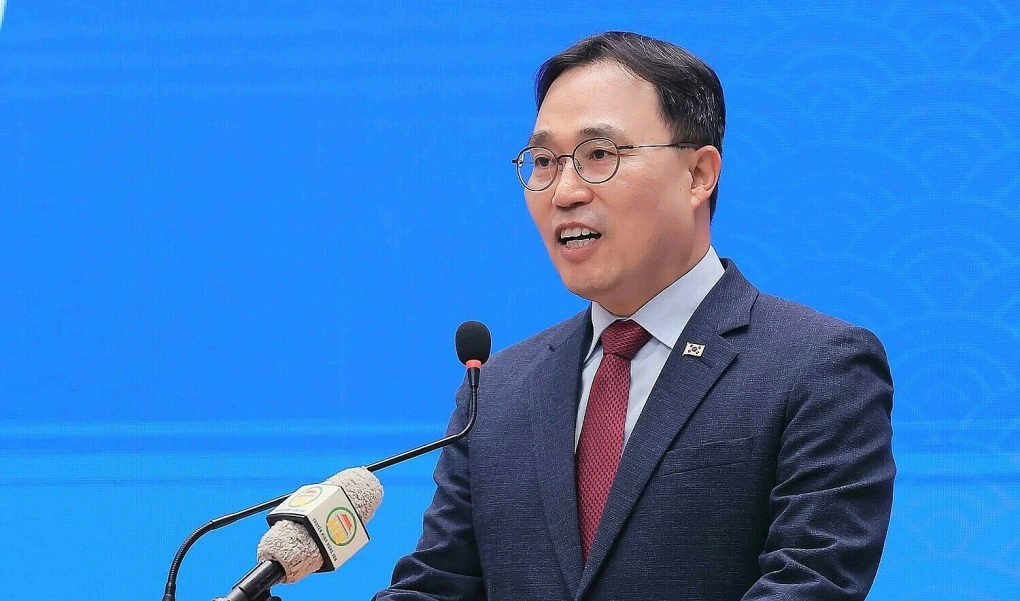
South Korean Ambassador to Vietnam Choi Young-sam. Photo: TTXVN
– Could the Ambassador provide an assessment of the notable achievements in technological cooperation between Vietnam and South Korea over the 33 years since the establishment of diplomatic relations, particularly in fields such as artificial intelligence (AI), digital infrastructure, and semiconductors?
– Over the 33 years since the establishment of diplomatic relations, Vietnam and South Korea have not only engaged in economic cooperation but have also expanded strategic cooperation in the fields of science and technology and digital transformation.
For example, in 2025, KT and Viettel signed a strategic partnership worth 130 trillion won to cooperate in the field of AI, while LG CNS and VNPT signed a memorandum of understanding on the construction of an AI data center.
Korean companies are supporting Vietnam in digital transformation initiatives such as smart manufacturing and e-government, while also contributing to the enhancement of Vietnam’s research and development capacity through Samsung’s and LG’s research centers in Vietnam. In the semiconductor sector, cooperation is increasingly expanding across the entire value chain, from design and fabrication to human resource training. Cooperation in areas such as AI, digital infrastructure, and semiconductors goes beyond quantitative, manufacturing-centered expansion and has begun to make a qualitative leap in future-oriented industries. This future-oriented technological cooperation contributes to strengthening Vietnam’s industrial competitiveness as well as diversifying the global supply chains of Korean companies, while demonstrating that the two countries are reliable partners in jointly leading future industries.
This future-oriented technological cooperation contributes to enhancing Vietnam’s industrial competitiveness as well as diversifying the global supply chains of Korean companies, while demonstrating that the two countries are reliable partners in jointly leading future industries.
– During General Secretary Tô Lâm’s visit to South Korea in August, the two countries agreed to elevate science and technology cooperation to a new pillar of the Comprehensive Strategic Partnership. How does the Ambassador view the strategic significance of this decision for the future of bilateral relations? What needs to be done by both sides to realize this vision?
– This represents an important step forward, clearly reflecting the future-oriented direction of bilateral relations. To realize this goal, the two countries need to build on the Memorandum of Understanding on science and technology cooperation that has been signed in order to institutionalize high-level policy dialogue, while strengthening joint research and development in strategic technology fields such as AI, next-generation telecommunications, and energy technologies.
As these efforts are steadily accumulated, cooperation in science and technology will become a crucial driver for further consolidating trust between the two countries.
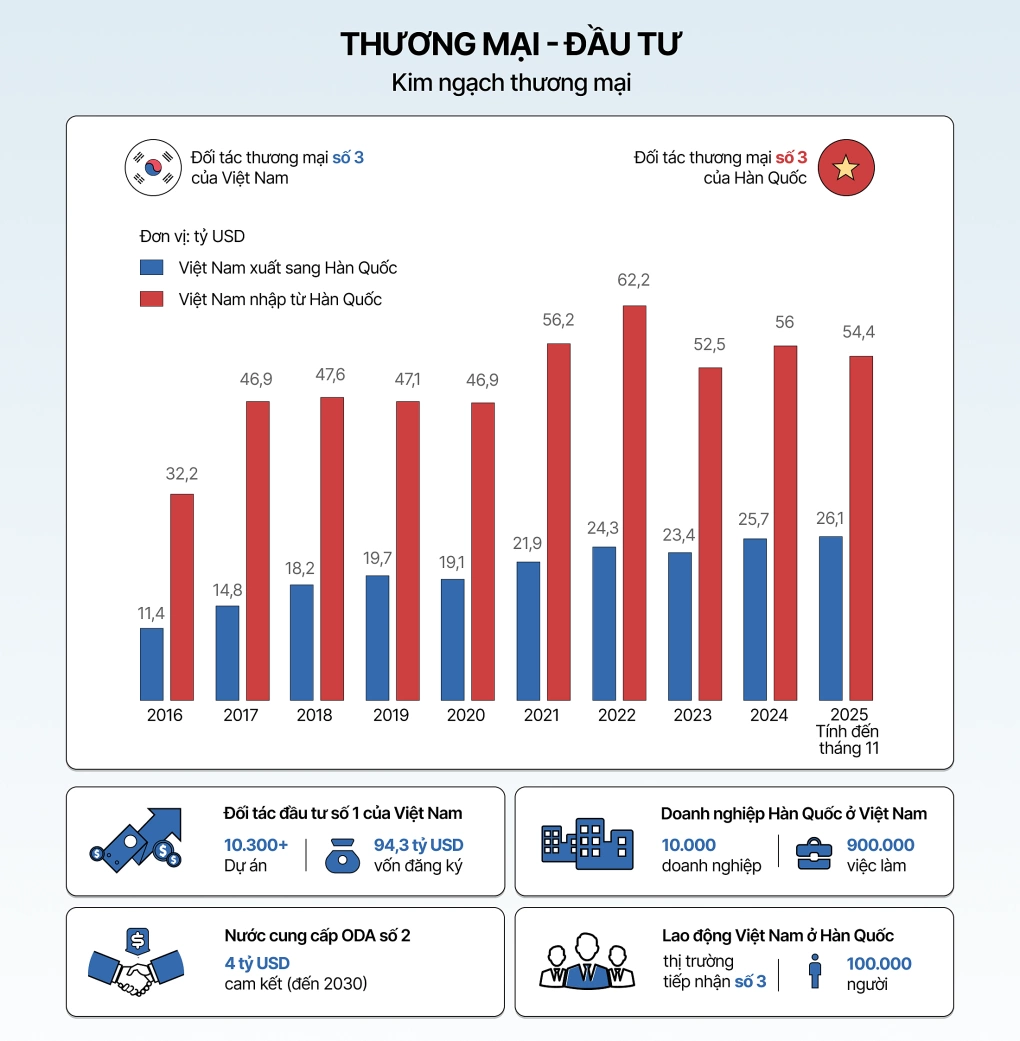
Trade – investment cooperation between Vietnam and South Korea
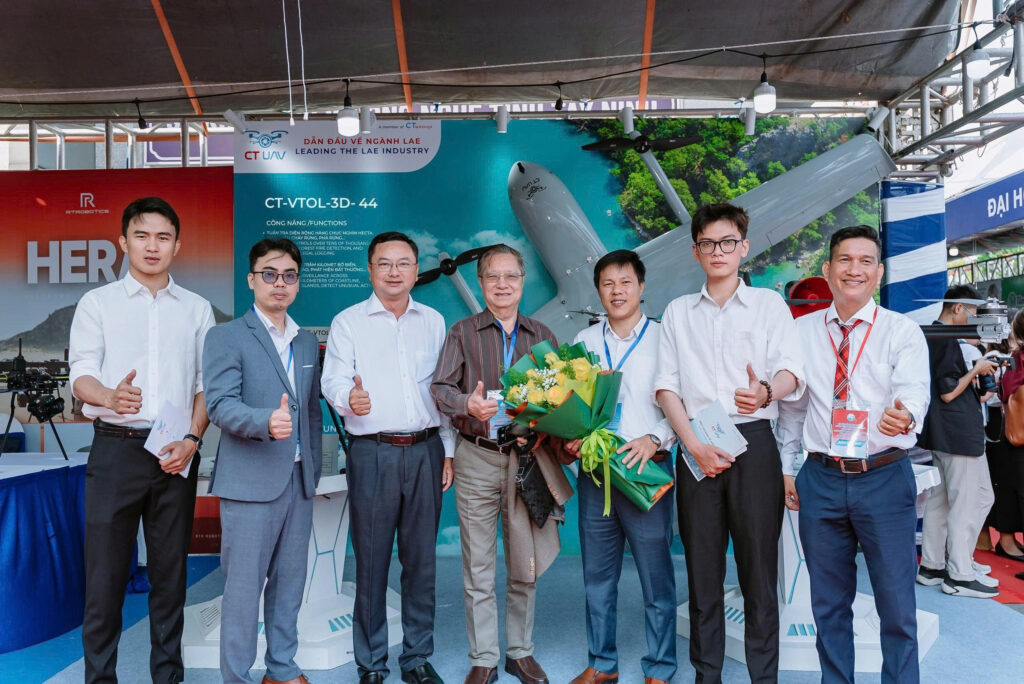
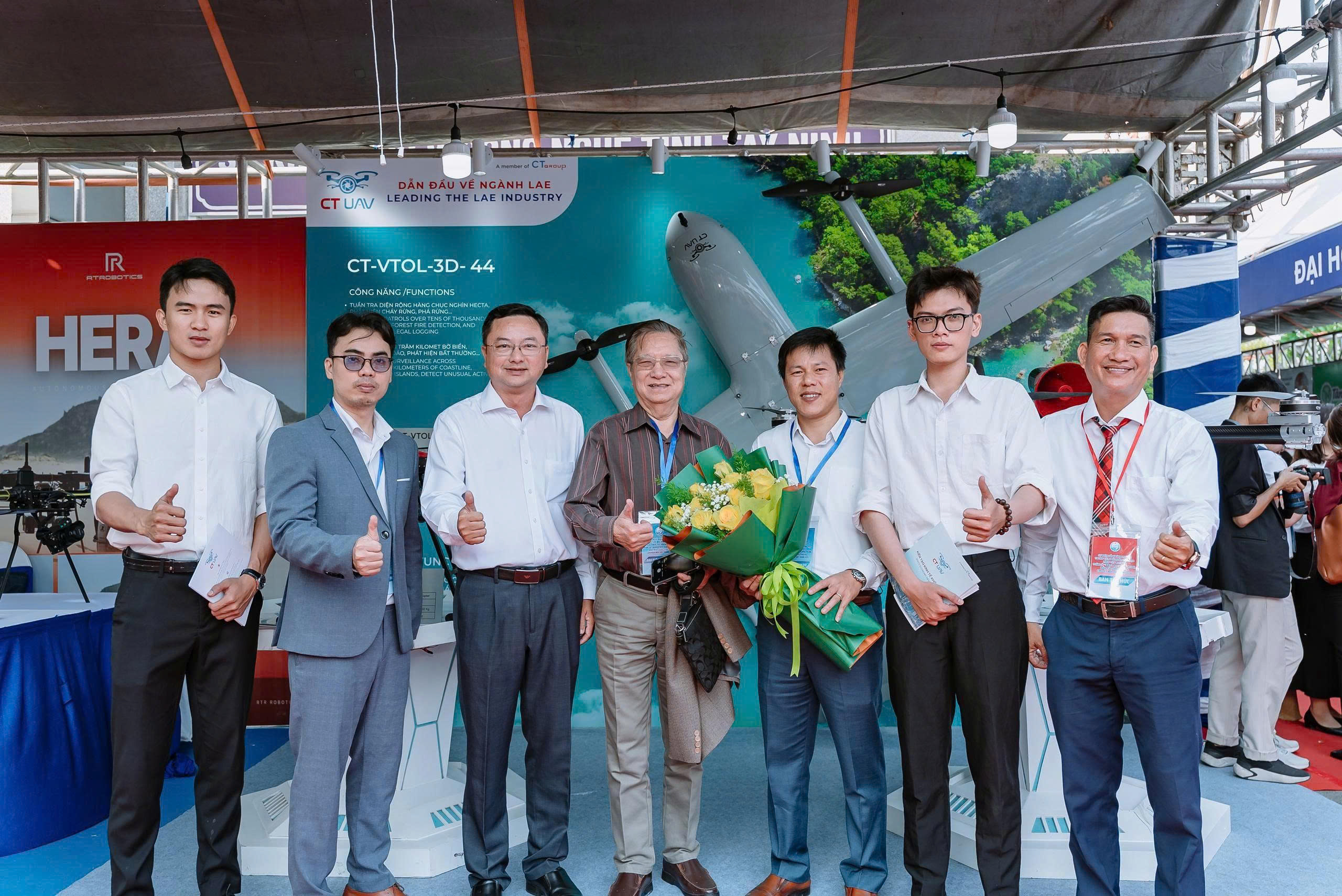
– The cooperation deal between CT UAV (Vietnam) and Airbility (South Korea) is regarded as a new milestone in technological cooperation between the two countries. From the Ambassador’s perspective, what does this event reflect about the potential for business-to-business cooperation between the two sides, and what are the opportunities and challenges for Vietnamese enterprises when accessing the South Korean market?
– CT UAV and Airbility are a representative example showing that Vietnam–South Korea technological cooperation is expanding to include innovative enterprises and startups. Companies from both countries have significant potential to seek opportunities in global markets, building on complementary technological strengths and market knowledge.
Vietnamese enterprises, with strong manufacturing capabilities and flexible local adaptability, can become optimal partners in emerging industries at an early stage of development, such as the unmanned aerial vehicle (UAV) sector.
The South Korean market has high standards in terms of technology, quality, and regulatory frameworks; therefore, thorough preparation in advance, along with cooperation with local partners, is essential.
– Some experts argue that Vietnam mainly plays an “assembly” rather than a “creative” role in the technology value chain. In the Ambassador’s view, how can South Korea support Vietnam in enhancing its technological self-reliance in order to move beyond an assembly-centered model?
– Enabling Vietnam to move beyond an assembly-focused model, strengthen technological self-reliance, and enhance innovation capacity is a critically important task, and South Korea can make substantive contributions as a reliable cooperation partner.
South Korea has experience in upgrading the value chain through human resource development, investment in research and development (R&D), and the promotion of small and medium-sized enterprises as well as startups and venture businesses during its industrialization process.
South Korea can support Vietnam in enhancing design capabilities and foundational technologies by strengthening joint R&D, establishing research centers in Vietnam, expanding exchanges of master’s- and doctoral-level human resources, and promoting closer cooperation between academia and industry.
In addition, it is important to move beyond the framework of technology transfer toward forms of cooperation such as joint planning and joint investment, thereby supporting Vietnamese enterprises in developing independent competitiveness in both domestic and international markets. These cooperation models will serve as pathways to enhancing innovation capacity in both countries.
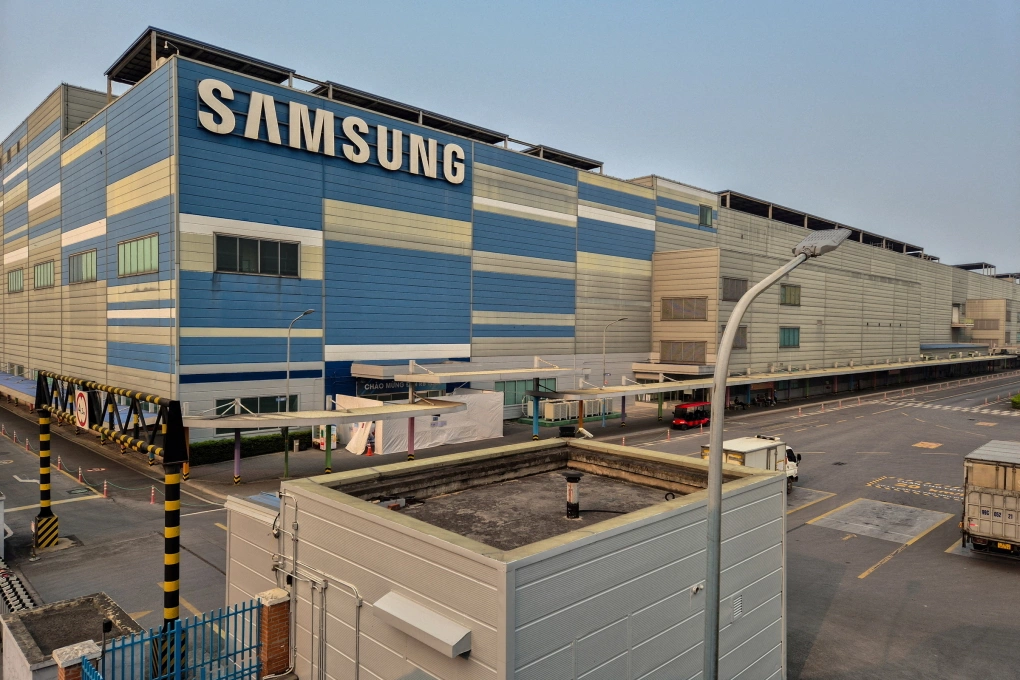
Samsung Electronics Vietnam factory in Bac Ninh on April 3
– How does the Ambassador envision the development of Vietnam–South Korea technological relations over the next 10 years? What can the two sides do to effectively leverage their respective strengths, such as Vietnam’s young and dynamic workforce and South Korea’s position as a leading technology nation?
– Over the next decade, the Vietnam–South Korea technology partnership will move beyond a focus on “investment and manufacturing” toward a phase of “joint innovation and joint expansion into global markets.”
The combination of Vietnam’s young, dynamic human resources and strong capacity for rapid adoption of digital technologies with South Korea’s pioneering technological capabilities and industrial ecosystem will enable the two countries to jointly build global competitiveness in future strategic fields such as AI, semiconductors, quantum technologies, biotechnology, digital assets, and green technologies.
To achieve this goal, both countries need to simultaneously enhance both the scale and quality of human resource training, while expanding cooperation in joint research and development, as well as collaboration on testbeds and standards.
In addition, it is necessary to relax regulations, strengthen financial instruments and guarantees, and support the expansion of initial markets in order to create favorable conditions for startups and small and medium-sized enterprises with growth potential. These Vietnam–South Korea collaborations will help lead the ASEAN market and generate broader ripple effects across global value chains.
– What does the Ambassador expect regarding Vietnam’s position in the global technological innovation chain as the world enters the era of digital transformation and Industry 5.0?
– Vietnam is expected to assume an increasingly important role in the global innovation ecosystem.
Its young and dynamic demographic structure, along with the population’s high capacity for technology adoption and a rapidly growing digital economy, constitutes major advantages for Vietnam.
In the future, Vietnam will not only remain a manufacturing base but also has the potential to rise as a nation that creates innovation in areas such as AI, software, smart manufacturing, green technologies, and human-centered technologies.
To achieve this, it is necessary to pursue in parallel human resource development, investment in research and development, the promotion of open data, and regulatory innovation. At the same time, international cooperation and deeper participation in global value chains will become increasingly important.
Vietnam is gradually preparing for the future through the implementation of Resolution 57 on science and technology, innovation, and digital transformation, as well as Resolution 68 on the development of the private sector.
In the time ahead, Vietnam will continue to be a partner in opening a new era of prosperity driven by science, technology, and digital innovation. There is an expectation that the two countries will work together to build an inclusive and sustainable technology ecosystem.
________________________
Follow CT Group on Facebook for the latest updates and news!