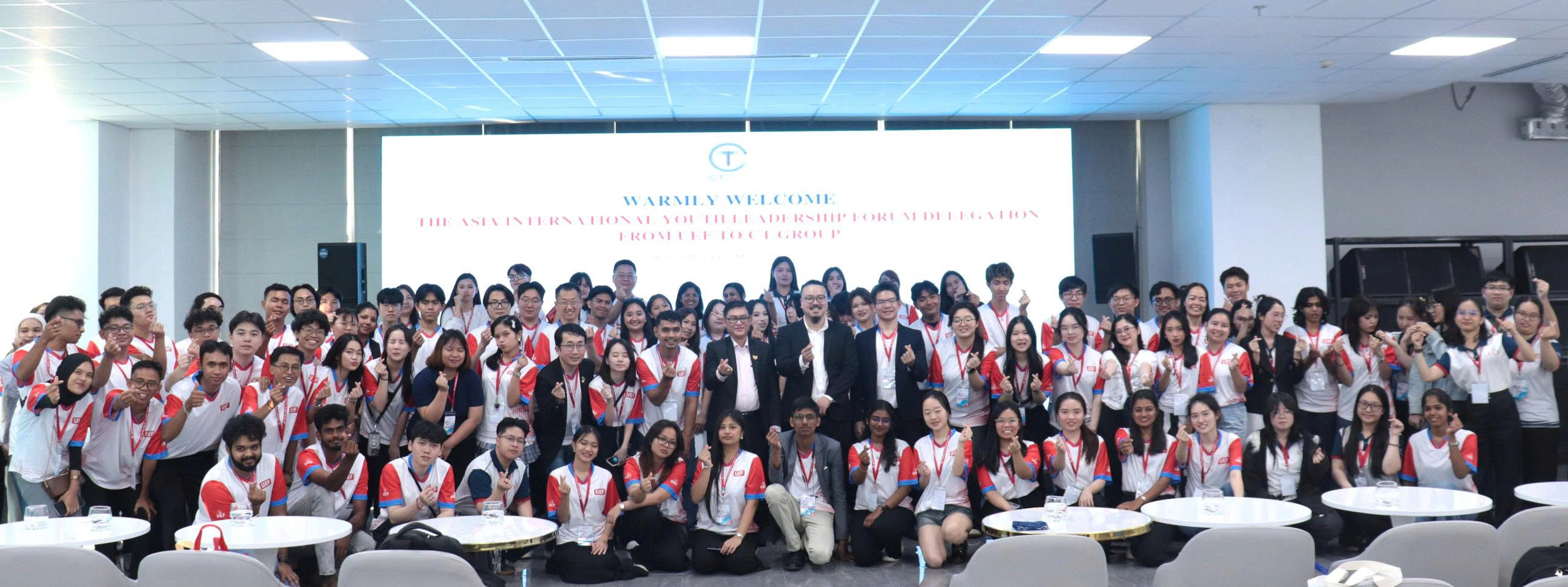


On the morning of January 16, Ho Chi Minh City held a workshop to promote green finance and carbon trading platforms, aiming to realize the Net Zero 2050 target and build a sustainable, globally connected International Financial Center.

The carbon trading exchange and green finance are pillars of sustainable development in Ho Chi Minh City
Identifying emission pressures and urgent requirements
With the theme “Promoting green finance and carbon credit trading platforms within the International Financial Center,” experts and industry leaders focused discussions on Ho Chi Minh City’s roadmap for transforming its economic model.
Mr. Tran Thanh Binh, Deputy Director of the Ho Chi Minh City Institute for Development Studies, emphasized: “In the context of increasingly complex global climate change, the transition toward a green, low-emission growth model is no longer an option but an inevitable requirement. For a major economic hub, achieving the net-zero emissions target by 2050 creates an urgent need to restructure capital flows, strongly promote green finance, and simultaneously establish and operate an effective carbon market.”
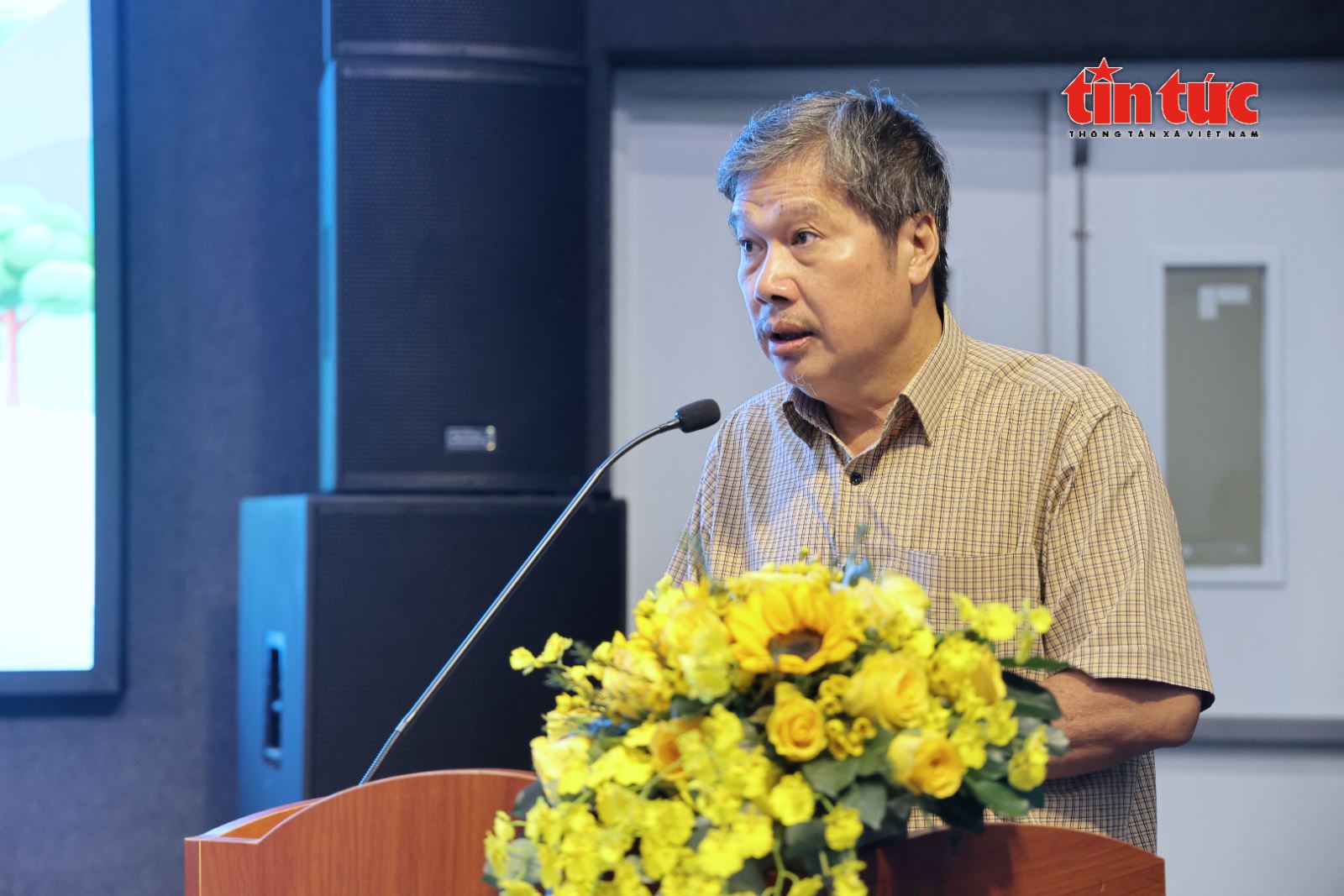
Mr. Tran Thanh Binh, Deputy Director of the Ho Chi Minh City Institute for Development Studies, delivered the opening remarks at the seminar.
According to the Green Transition Orientation Report presented by Mr. Pham Binh An, Deputy Director of the Ho Chi Minh City Institute for Development Studies, the city’s total greenhouse gas emissions currently amount to 57.6 million tons of CO₂. “Of this total, the stationary energy and transportation sectors account for an overwhelming share of up to 93.6%. Focusing specifically on the stationary energy sector, industrial production and construction activities contribute 45.71%, followed by residential buildings at 30.75%,” Mr. An stated.
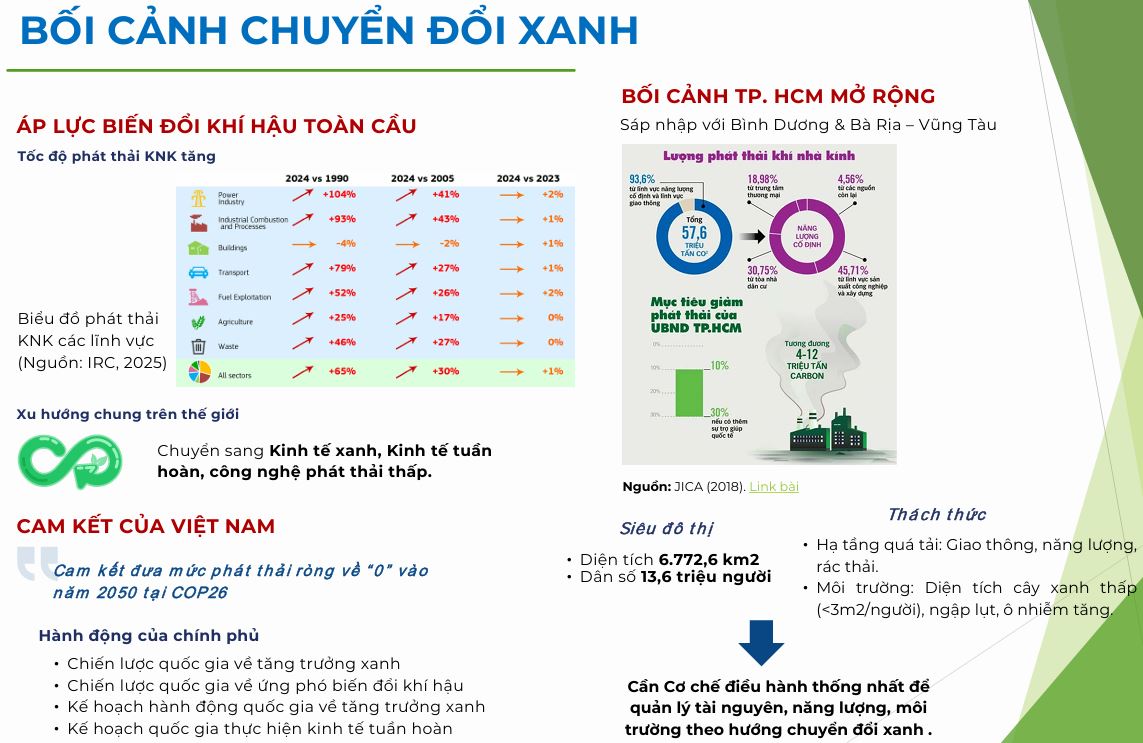
The Green Transition Context of the New Ho Chi Minh City Following Administrative Consolidation
In response to this situation, the City has set a target to reduce greenhouse gas emissions by 10% to 30%, depending on the level of international support. To achieve this goal, Mr. Binh emphasized that within the structure of the International Financial Center, green finance is not merely a technical component but a strategic pillar that contributes to enhancing the competitiveness, credibility, and sustainability of the city’s financial system.
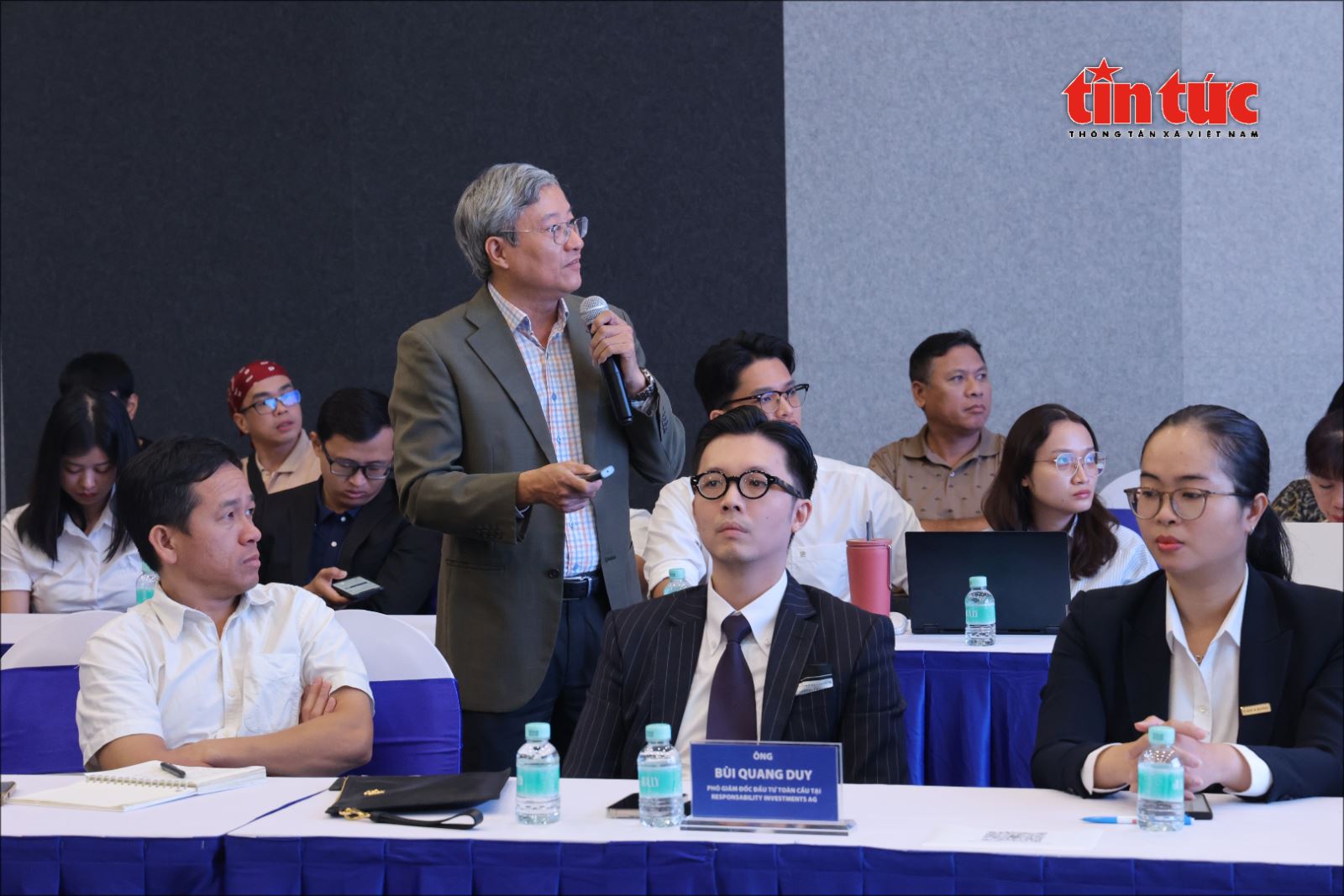
Mr. Pham Binh An, Deputy Director of the Ho Chi Minh City Institute for Development Studies, speaking at the seminar
One of the key focal points of the workshop was the establishment and operation of a carbon credit trading platform, which is regarded as an effective tool to capitalize enterprises’ efforts in emissions reduction.
Mr. Nguyen Quoc Dung, Deputy General Director of the Carbon Credit Trading Platform ASEAN (CCTPA), stated that the company is aiming to become a pioneering voluntary carbon credit trading platform with the largest scale in Southeast Asia. “We identify the carbon credit trading platform not merely as a place for buying and selling, but as a key green financial infrastructure that supports enterprises in realizing their emissions-reduction commitments,” Mr. Dung said.
According to Mr. Dung, as of August 2025, Vietnam has issued more than 30 million carbon credits from 158 projects under the voluntary market, a figure that could reach approximately 70 million credits by 2030. “Domestic demand is increasing rapidly, with the aviation sector alone requiring about 2.3 million credits per year to offset emissions,” he added.

Mr. Nguyen Quoc Dung, Deputy Chief Executive Officer of CCTPA, shared insights at the seminar
In particular, starting January 1, 2026, when the Carbon Border Adjustment Mechanism (CBAM) is officially applied to goods exported to the European Union, the requirement to ensure transparency of carbon footprints will place significant pressure on Vietnamese enterprises.
To ensure transparency and credibility, Mr. Dung noted that CCTPA’s trading platform applies blockchain technology to encode each carbon credit as a unique digital asset.
“All transactions are recorded on the blockchain ledger, ensuring immutable and tamper-proof data, thereby completely preventing fraud or the multiple sale of a single carbon credit,” Mr. Dung emphasized.
The Dual Transition Strategy and Resource Requirements
Ho Chi Minh City’s green transition roadmap is being implemented through a comprehensive program structured around 11 key pillars, ranging from energy and transportation to industry and green lifestyles. The City has set a target that by 2030, the share of renewable energy will reach at least 35%, while the green economy will account for 20% of GRDP.
In the transportation sector, the City expects that 100% of new buses will operate on electricity or hydrogen from 2030 onward, thereby reducing direct emissions.
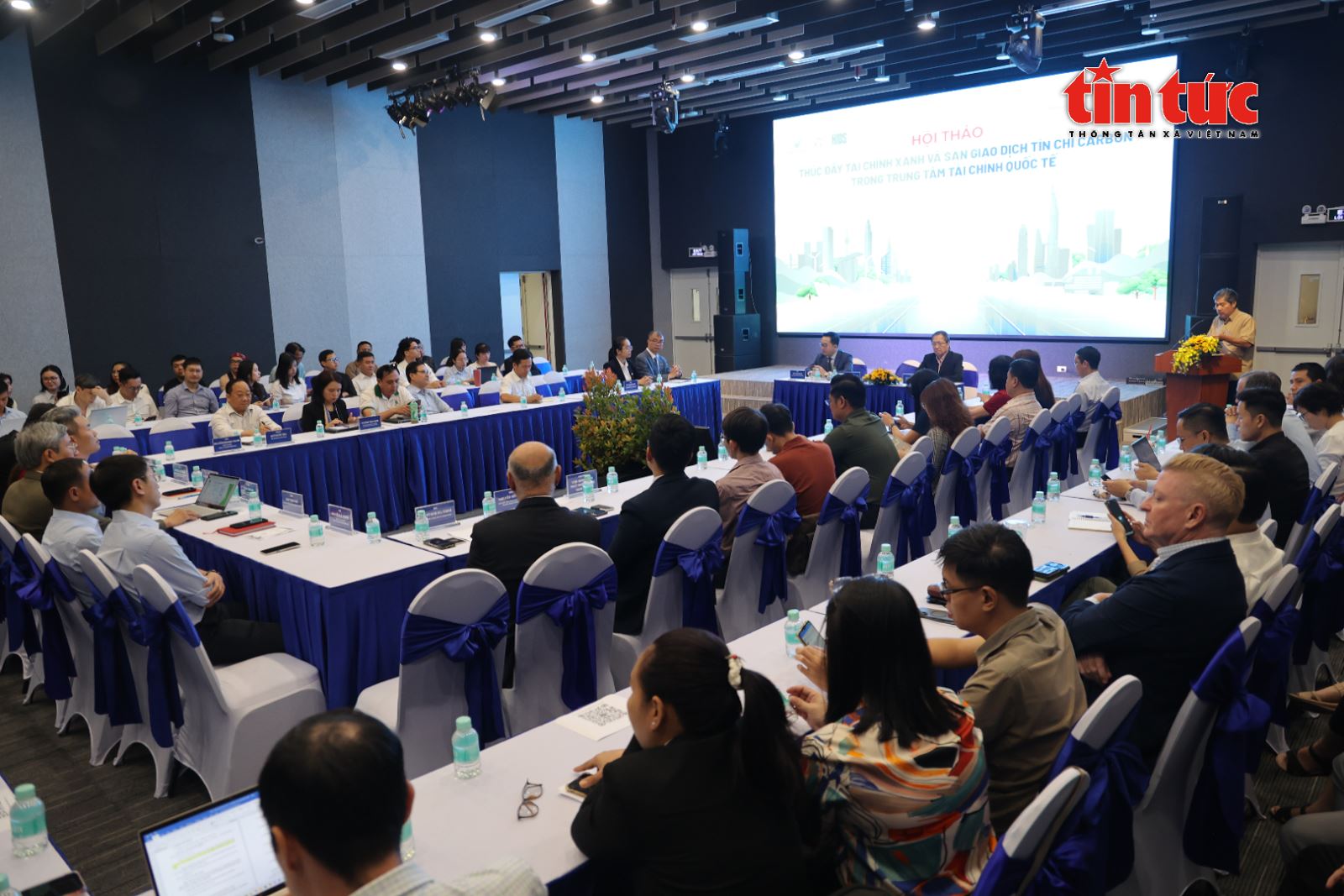
Overview of the Seminar
According to Mr. An, the total capital requirement for the Green Transition Project for the 2025–2035 period is estimated at approximately VND 900 trillion. “Resource mobilization will follow the principle of state leadership, with enterprises and society acting as partners, and international actors providing technical and financial support. Of this total, the state budget is expected to contribute around 20%, socialized capital and public–private partnerships (PPP) will account for 45%, while the remaining 35% will come from international funding sources and *official development assistance (ODA),” Mr. An stated.
Alongside finance, digital data infrastructure is also a key factor in smart urban governance. The city is urgently deploying a shared digital infrastructure project for its green transition, with the goal of forming a “Green Data Lake & Open Data Portal” to share green transition data. The establishment of cross-sector IoT networks and data analytics platforms will not only help authorities improve governance efficiency, but also enable international investors to more easily quantify the green value of projects in the city through transparent ESG indicators.
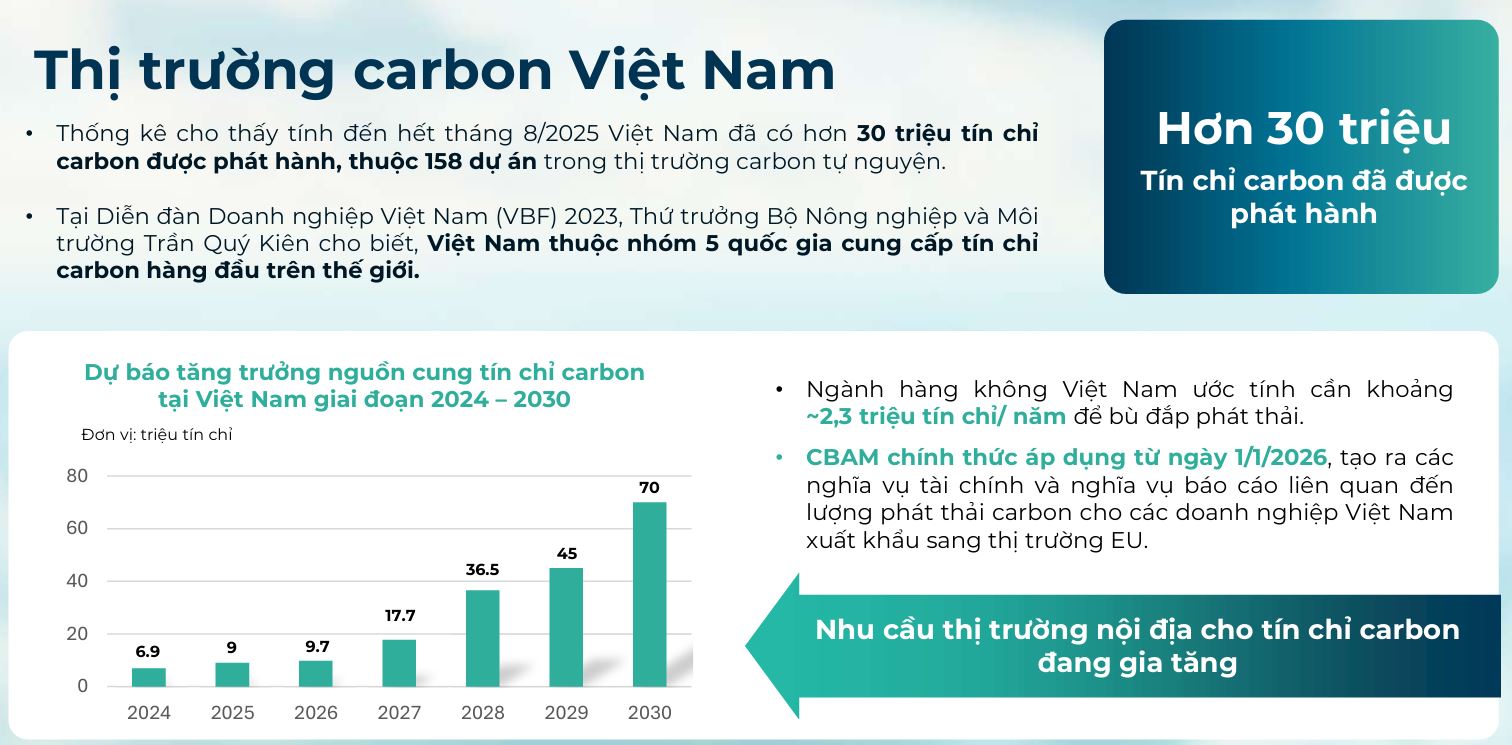
Overview of Vietnam’s Carbon Market
At the conclusion of the workshop, delegates agreed that Ho Chi Minh City needs to promptly complete the legal framework for green finance and the carbon market, and effectively leverage the special mechanisms under Resolution 98. With synchronized preparation in both policy and technology, the city is gradually realizing its Net Zero 2050 target and affirming its role as a green innovation hub of the ASEAN region.
________________________
Follow CT Group on Facebook for the latest updates and news!