

As the nation joyfully welcomes the Lunar New Year 2026, the Year of the Horse, the story of technological self-reliance is being revisited with a renewed spirit — more urgent and resolute than ever.
From landline telephones in the early days to semiconductor ADC chips and sea-crossing UAVs today, CT Group has pursued a steadfast journey of more than three decades driven by the aspiration to master Vietnamese technology. Setting aside his busy schedule, Mr. Tran Kim Chung, Chairman of CT Group, sat down with a reporter from VietnamPlus e-newspaper to share his ambitions and reflections on how the country can enter a new era with a strong UAV industry.
Technological Self-Reliance Is Imperative
– Mr. Tran Kim Chung, many people are surprised, even skeptical that CT Group has suddenly introduced the design of ADC semiconductor chips for various advanced UAV lines, given that the Group has long been known primarily as a real estate corporation.
Mr. Tran Kim Chung: Few people know that as early as 1995, when Vietnam did not yet have mobile phones and its technology sectors were still in their infancy, CT Group had already begun assembling CT 1000, CT 2000, and CT 3000 landline telephone models, which were known for their durability and clear sound quality. At that time, CT Group also successfully researched and produced environmentally friendly coconut fiber mesh, a biodegradable material used to cover slopes and landslide-prone areas, becoming one of Vietnam’s largest exporters of coconut fiber mesh during that period.
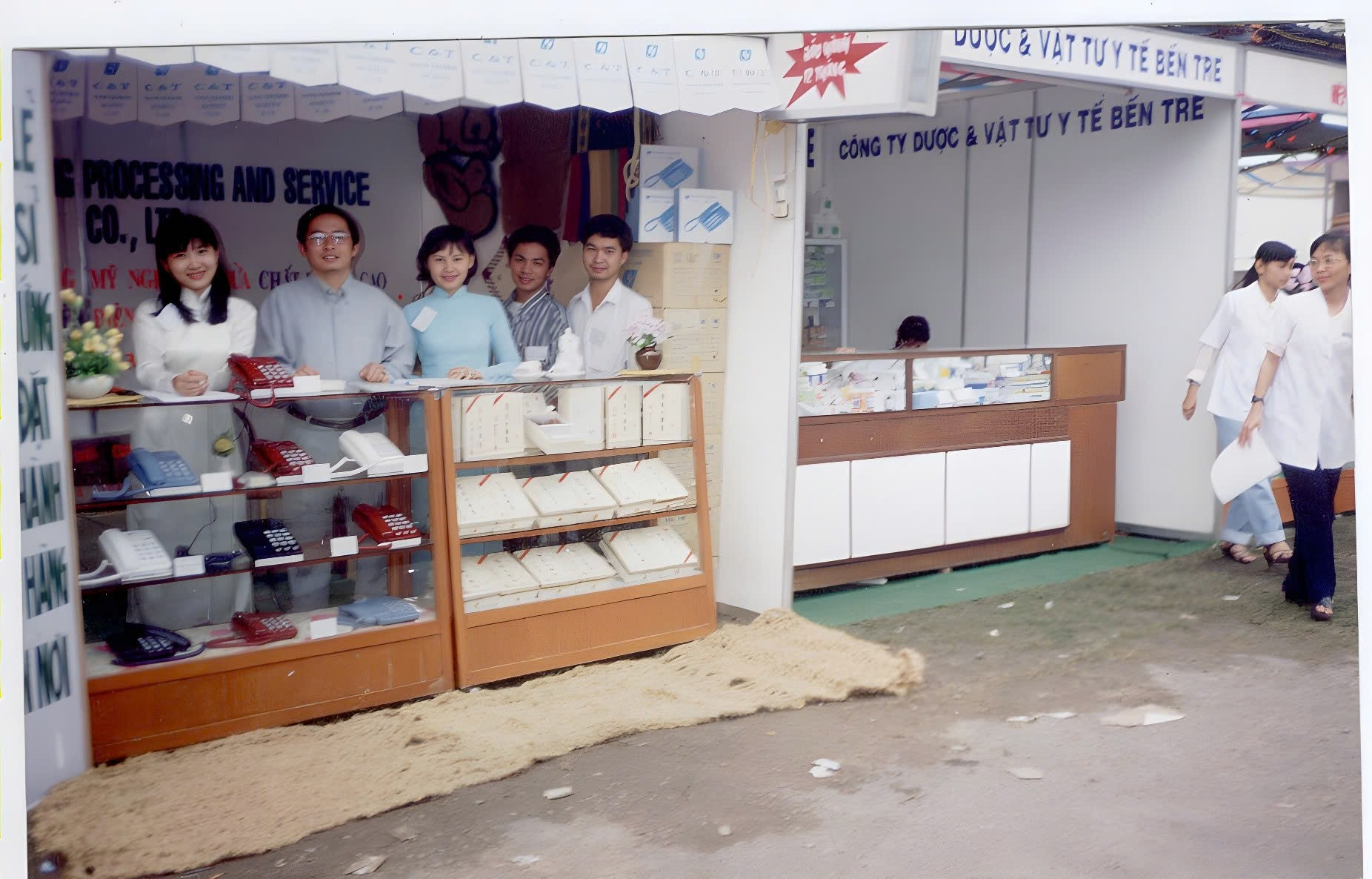
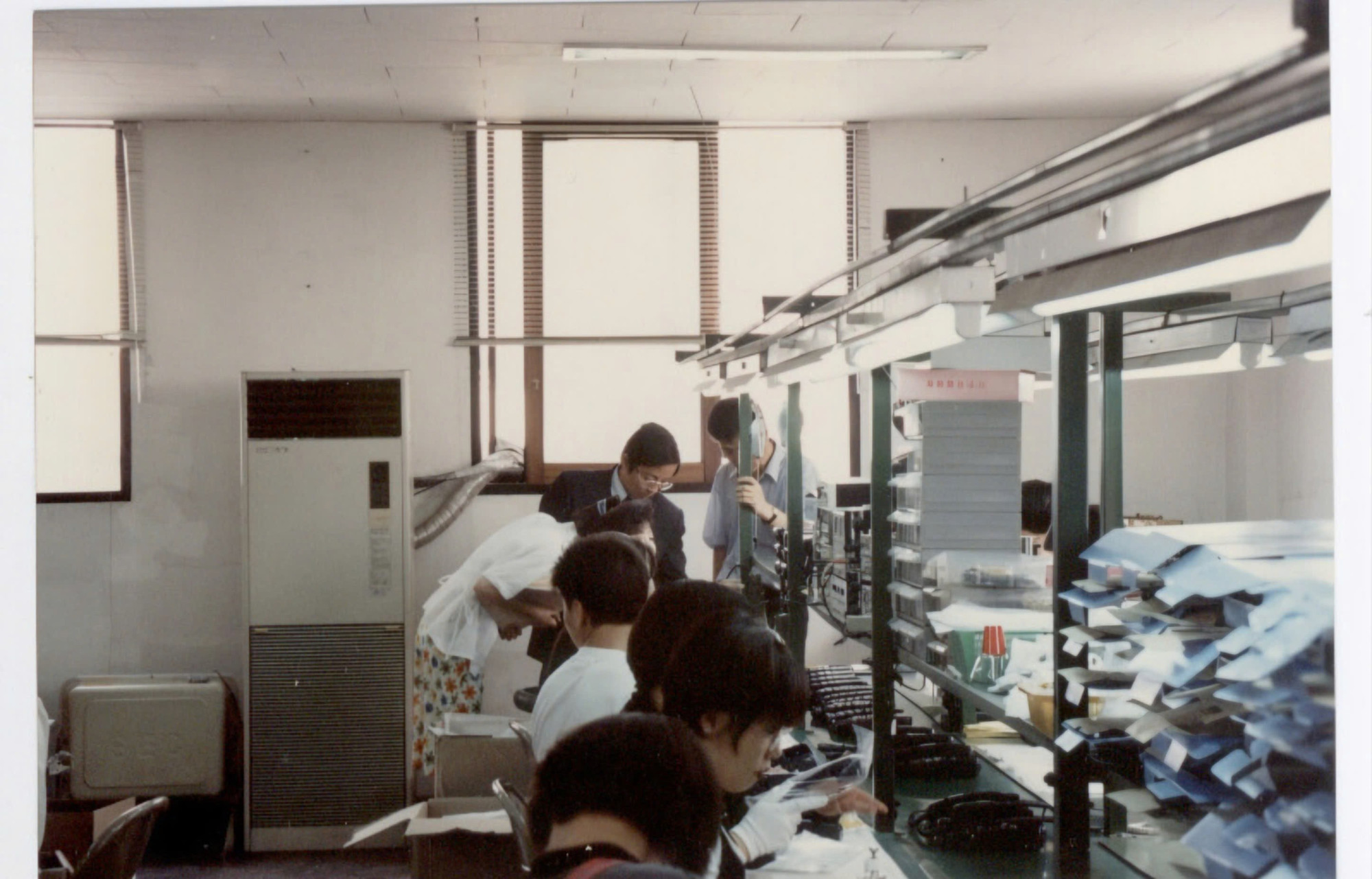
As early as 1995, CT Group began assembling its CT 1000, CT 2000, and CT 3000 landline telephone models
That formative journey later nurtured CT Group’s passion for green technology and digital technology. However, we chose to pursue hardware development, a far more arduous path compared to software technologies. Only by doing it does one truly understand the hardships. The Vietnamese market lacked almost everything: from small components to large equipment, most had to be imported, or painstakingly modified and engineered locally through great effort.
For more than three decades, steadfast in the spirit of national self-reliance and technological autonomy, and through years of perseverance and resilience, CT Group has today built a highly independent and dynamic science and technology ecosystem. Unconcerned by surprise or even skepticism, CT Group has mastered advanced global technologies across 12 high-tech sectors: Unmanned Aerial Vehicles (UAVs); the Low-Altitude Economy (LAE); the 15-layer National Digital Twin; Robotic House; Biotechnology; Innovation Centers; Carbon Credits; Semiconductor Chips; Space Technology; Autonomous Vehicle Technology; AI Technology; and Green Crypto Currency.
In particular, we have ventured into fields considered exceptionally challenging, such as semiconductor chips, UAVs, the low-altitude economy, the national digital twin, biotechnology, and carbon credits. These sectors do not serve the mass market and do not rely on large-scale advertising campaigns. Moreover, the protection of technology and information is strictly regulated, which is why they are not widely known to the public.
– You mentioned the concept of technological self-reliance, which has become a pressing issue for all nations today if they do not wish to become entirely dependent. Could you share how CT Group is implementing this and your views on Vietnam’s current situation?
Mr. Tran Kim Chung: We can take CT UAV (a member of CT Group) as an example. At present, CT UAV has achieved an average localization rate of 87.5% across six core UAV technology groups: Electronics and Semiconductor Technology, AI Technology, Control & Autonomous Technology, Composite Technology, Battery Technology, and Security & Telecommunications Technology. Notably, the two most critical groups, Electronics – Semiconductor Technology and AI & Software have reached 95% autonomy. This is demonstrated by the successful development of the CT-Nexus flight controller powered by our proprietary CT-NonLinear algorithm. Notably, CT UAV has mastered what is considered the most complex and highest-end segment of the industry – passenger-carrying UAVs.
“Beyond mastering core technologies, in order to compete, survive, and grow, Vietnamese enterprises must possess strong innovative capabilities to continuously develop breakthrough technologies. Falling behind in research and development for even a single year could mean being eliminated from the race.”
Mr. Tran Kim Chung
Beyond mastering core technologies, in order to compete, survive, and grow, Vietnamese enterprises must possess strong innovative capabilities to continuously develop breakthrough technologies. Falling behind in research and development for even a single year could mean being eliminated from the race.
In the semiconductor sector, we have established chip design houses focused on research and development of ADC data-conversion chips, AI Edge chips, IoT chips, and other application-specific integrated circuits. These utilize CMOS semiconductor technology as well as III-V compound semiconductor technology, serving fields such as telecommunications, security, the national digital twin, UAVs, and the Low-Altitude Economy. We are also in the process of developing ATP (Assembly, Testing, and Packaging) facilities and a semiconductor fabrication (Fab) plant.
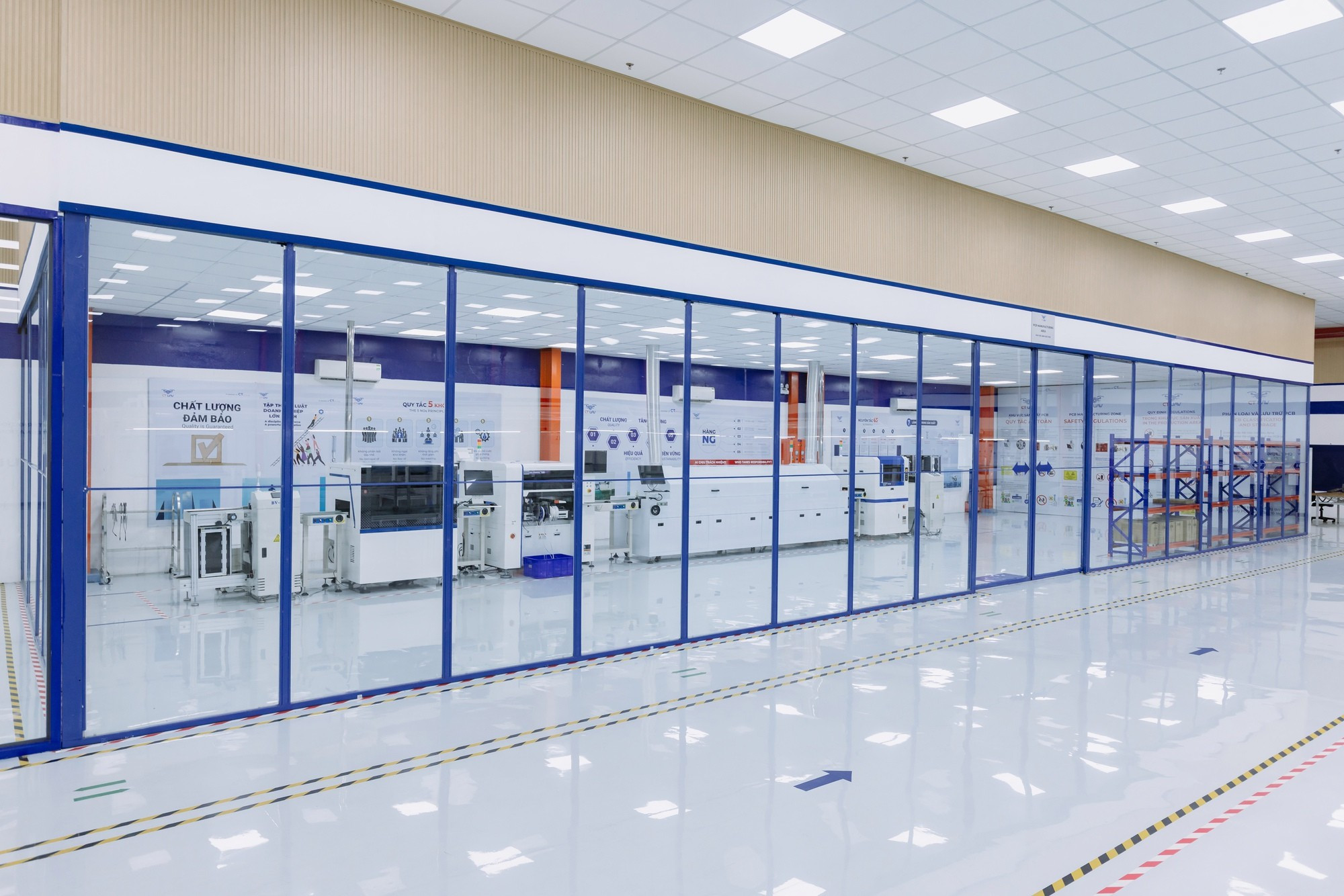
Bên trong nhà máy sản xuất chip bán dẫn của CT Group
Today’s world is changing rapidly by the day, and once-stable global orders are being disrupted. As the Fourth Industrial Revolution surges forward, no nation can claim true independence if it remains technologically dependent. In my observation, most countries are unlikely to transfer their core technologies to us. In particular, many large corporations come to Vietnam primarily to “drain talent” rather than to transfer core technologies.
Therefore, for Vietnam – especially in sectors such as semiconductors and UAVs – technology transfer should follow a different approach: hiring international expert teams and highly skilled overseas Vietnamese professionals to train and develop domestic human resources within Vietnamese corporations, rather than relying on multinational conglomerates. The next step is to accelerate the pace at which Vietnamese innovators produce inventions and patents. At present, we have invested our own capital to develop numerous laboratories both domestically and internationally, despite not yet receiving state support. We continuously register patents with the Intellectual Property Office and maintain a strong legal team dedicated to protecting intellectual property rights.
Another important issue is the Global Innovation Index (GII). For a latecomer nation seeking technological self-reliance, innovation indicators must surpass those of other countries.
Innovation serves as a critical “acceleration factor” that determines success. If we begin behind the rest of the world, our acceleration must be even greater. For that reason, we have proactively developed a 4.0 Innovation Center model, featuring the first Idea Exchange platform in the region.
What is crucial at present is that the implementation guidelines for policies supporting our science and technology enterprises are becoming overly administrative, causing unreasonable time burdens. This risks slowing down the spirit and impact of Resolution 57.
A “Golden Moment” for the Younger Generation to Rise
– As we move into 2026, could you share the goals CT Group is aiming for?
Mr. Tran Kim Chung: We view 2026 as a year of anticipated breakthroughs, following 2025 as a year of preparation and momentum-building. We have key commitments made to the Government, including working alongside other corporations to position Vietnam as the number one UAV powerhouse in ASEAN and to develop Vietnam’s low-altitude economy into a leading force in the region.
At the same time, we are implementing Vietnam’s biotechnology development program for 2025–2030 and deploying the national digital twin across various provinces and cities. We are also advancing into specialized UAV segments such as firefighting UAVs, agricultural UAVs, and logistics UAVs. On the international front, we will honor our commitments to global partners, including agreements with the Government of Indonesia, while expanding into the U.S. and European markets, and delivering products to partners in South Korea.

Mr. Tran Kim Chung stated that CT Group is entering 2026 with a new “Go Global” strategy — meaning that Vietnamese products will not only serve the domestic market but also the world.
The year 2026 is expected to be a breakthrough year, featuring a wide range of products crystallized from intellect, self-reliant determination, resilience, and the tremendous efforts of our scientists and engineers, the very brains and intellectual capital of Vietnam. As we move into 2026, we adopt the new “Go Global” strategy, ensuring that Vietnamese products not only serve the Vietnamese people but also reach global markets, especially the most demanding ones such as Europe, the United States, South Korea, and Japan.
In 2026, we have identified five breakthrough programs. The first breakthrough is in revenue growth, driven by 12 technology companies spearheading Vietnam’s most advanced sectors. Under the 2026 plan, total projected revenue is VND 57 trillion, of which science and advanced technology sectors are committed to generating VND 37 trillion, accounting for 64% of the Group’s total revenue. This may represent a special case in Vietnam, where revenue from advanced technology sectors significantly surpasses that of real estate. Of the VND 37 trillion, exports are expected to account for more than 70%. Even more notably, the localization rate across these 12 sectors exceeds 75%.
The second breakthrough concerns a global human resources strategy. To successfully “Go Global,” Vietnam needs many critical elements, among which globally competitive talent is essential. We are implementing a global HR campaign through the seamless integration of the “Triple Helix” model: the Government, Universities, and Enterprises.
At the 2025 Year-End Ceremony, we officially launched the Vietnam Go-Global Alliance, marking a partnership between CT Group and leading universities, research institutes, and training institutions. The goal is to create a synergistic ecosystem and jointly build a Go-Global HR strategy. If, in Phase 1, the Triple Helix model focused on collaboration to develop technology and create products, then in Phase 2, it is about working together to enter global markets, and we are now advancing into this phase.
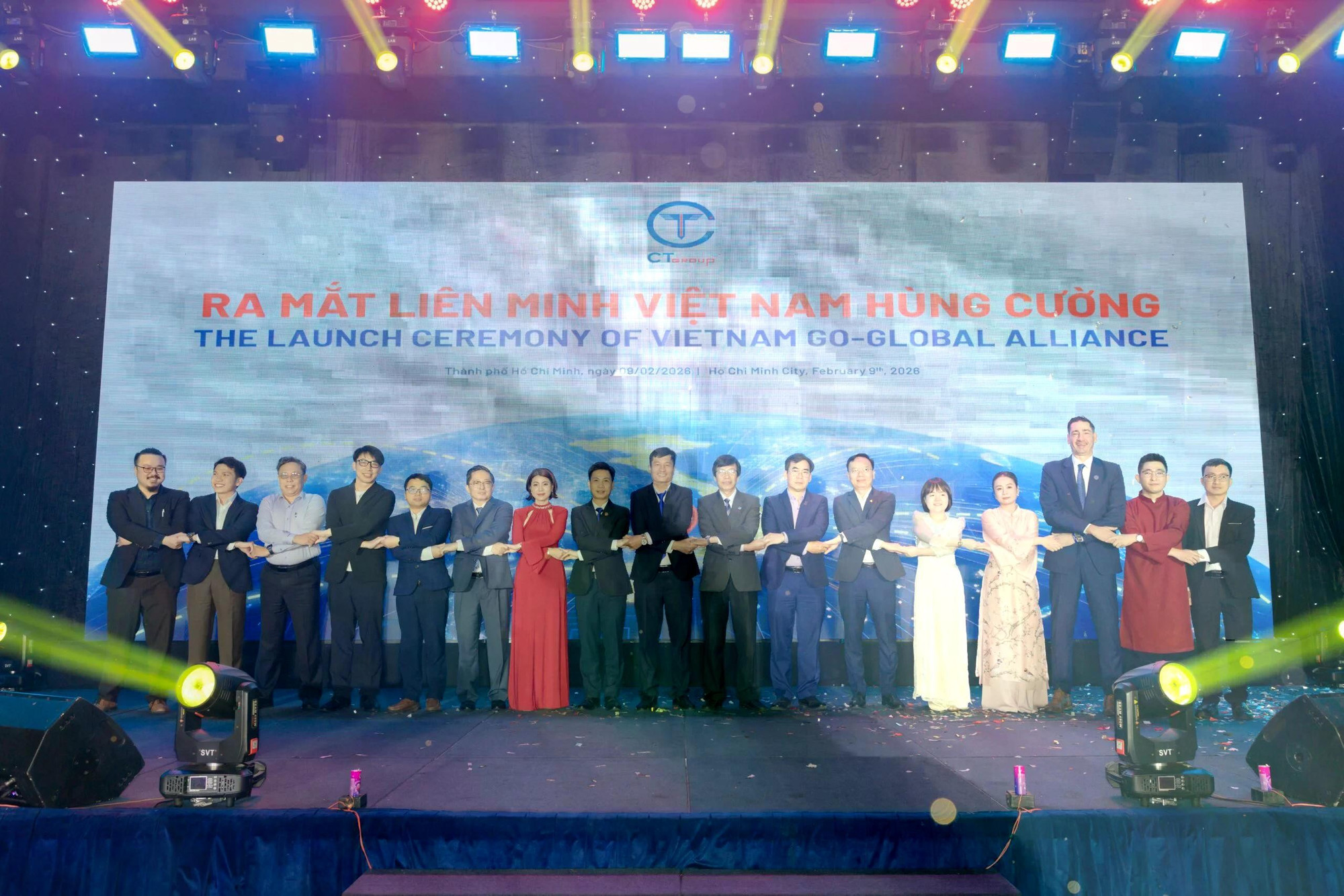
The launch ceremony of the Vietnam Go-Global Alliance
The third breakthrough lies in advanced technologies and cutting-edge products. On February 12, CT UAV and Vietnam Post Corporation (VietnamPost) officially launched the Can Gio – Vung Tau UAV Delivery Route, making Ho Chi Minh City the first city in ASEAN to conduct overseas delivery by UAV. Notably, CT UAV’s unmanned aerial vehicles are capable of handling multiple logistics scenarios under complex weather conditions, laying the foundation for integrating UAVs into logistics systems in specialized areas such as coastal zones, islands, and regions with limited transport connectivity. This opens significant potential for the development of the low-altitude economy.
“The path of advancing in science and technology is never easy. It is arduous, demanding, and always requires a certain level of sacrifice. We ask for nothing more than understanding, sharing, empathy, and support — for the future development of our nation and our people in this new era.” – Mr. Tran Kim Chung
The fourth breakthrough focuses on innovation. Shortly after the Lunar New Year, we will officially inaugurate the Creative Ideas Exchange – the first innovation idea exchange platform in Vietnam and ASEAN, designed to create momentum and enhance the liquidity of innovative ideas.
The fifth breakthrough is the support of the global Vietnamese community. The journey toward scientific and technological advancement is far from easy; it is challenging, demanding, and filled with obstacles, always requiring a certain degree of sacrifice. We do not ask for much – only understanding, sharing, and empathy for the sake of the country’s and the nation’s development in this new era.
“The path of advancing in science and technology is never easy. It is arduous, demanding, and always requires a certain level of sacrifice. We ask for nothing more than understanding, sharing, empathy, and support — for the future development of our nation and our people in this new era.”
Mr. Tran Kim Chung
– On the occasion of the Lunar New Year of the Year of the Horse, what message would you like to send to the younger generation?
Mr. Tran Kim Chung: I have only one message for young people: this is your “golden opportunity.” You are standing at the transitional moment between the 3.0 and 4.0 technological revolutions. At this point in time, you can either become truly great — or become servants to new technologies.
Therefore, set aside unproductive distractions on social media. Cherish every precious minute and focus on your studies. Opportunity does not come twice. I urge you to seize it — for yourselves and for the Vietnamese nation.
– Thank you for this insightful conversation.
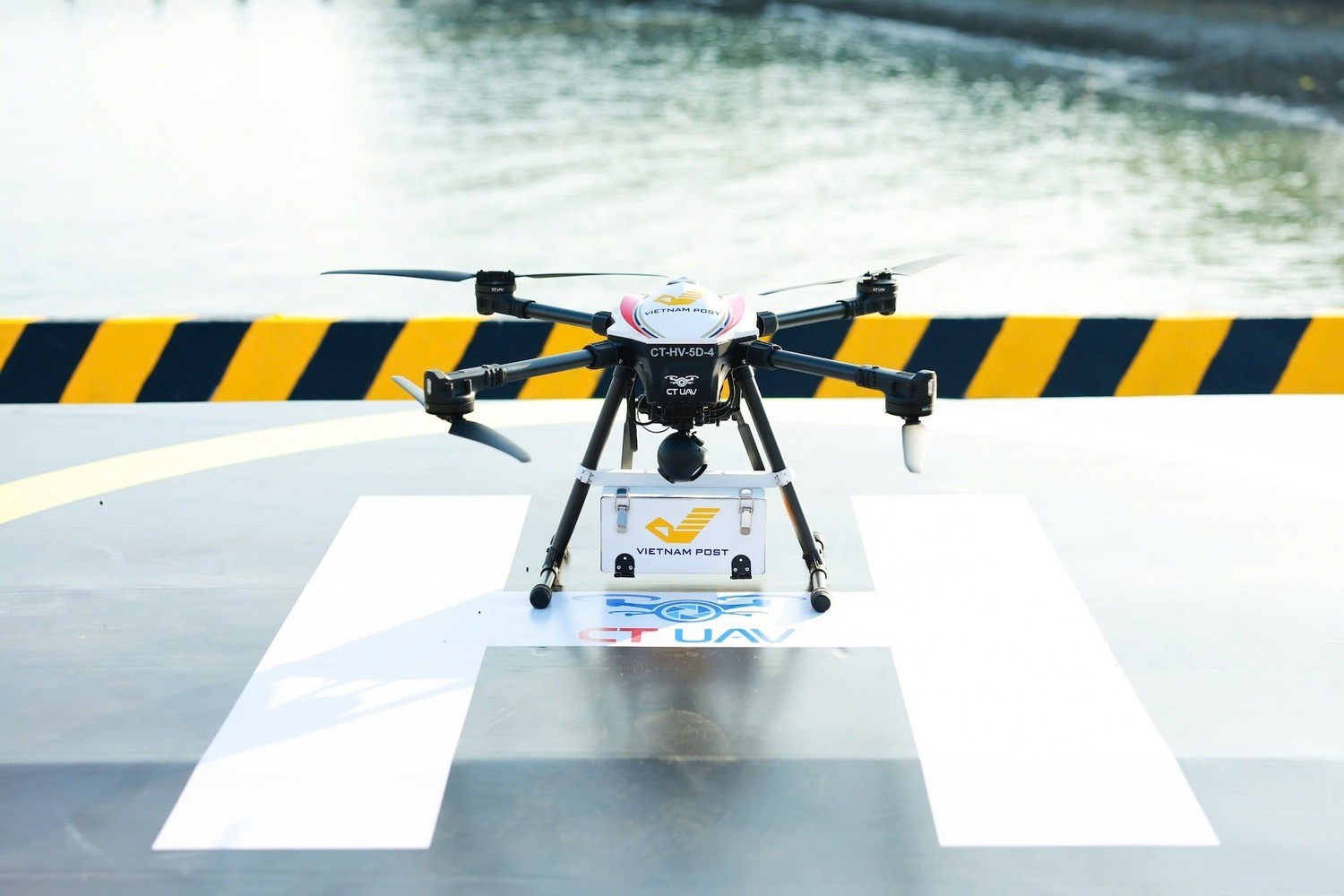
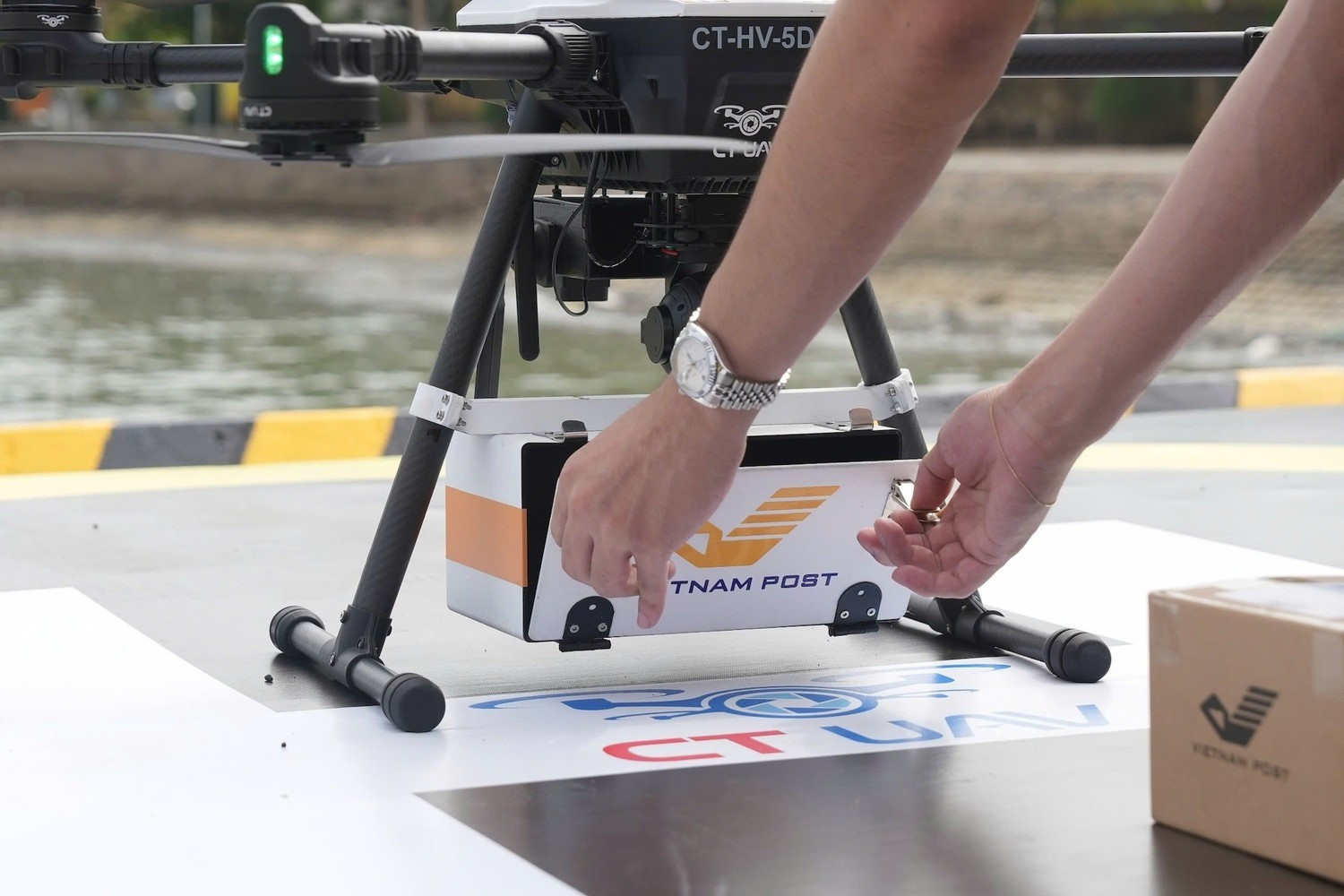
CT UAV and Vietnam Post Corporation (VietnamPost) officially inaugurated the Can Gio – Vung Tau UAV delivery route
In addition to his role as Chairman of CT Group, Tran Kim Chung serves as the Honorary Consul of Portugal in Vietnam, Vice Chairman of the Vietnam–Japan Friendship Association in Ho Chi Minh City, and Member of the Scientific Council of the University of Economics Ho Chi Minh City.
He is also a member of the Advisory Council under the Central Steering Committee for Science and Technology Development, Innovation, and Digital Transformation.
CT Group currently comprises 68 member companies, operating in 12 countries across 15 sectors, including 12 high-tech industries and three traditional sectors.
________________________
Follow CT Group on Facebook for the latest updates and news!