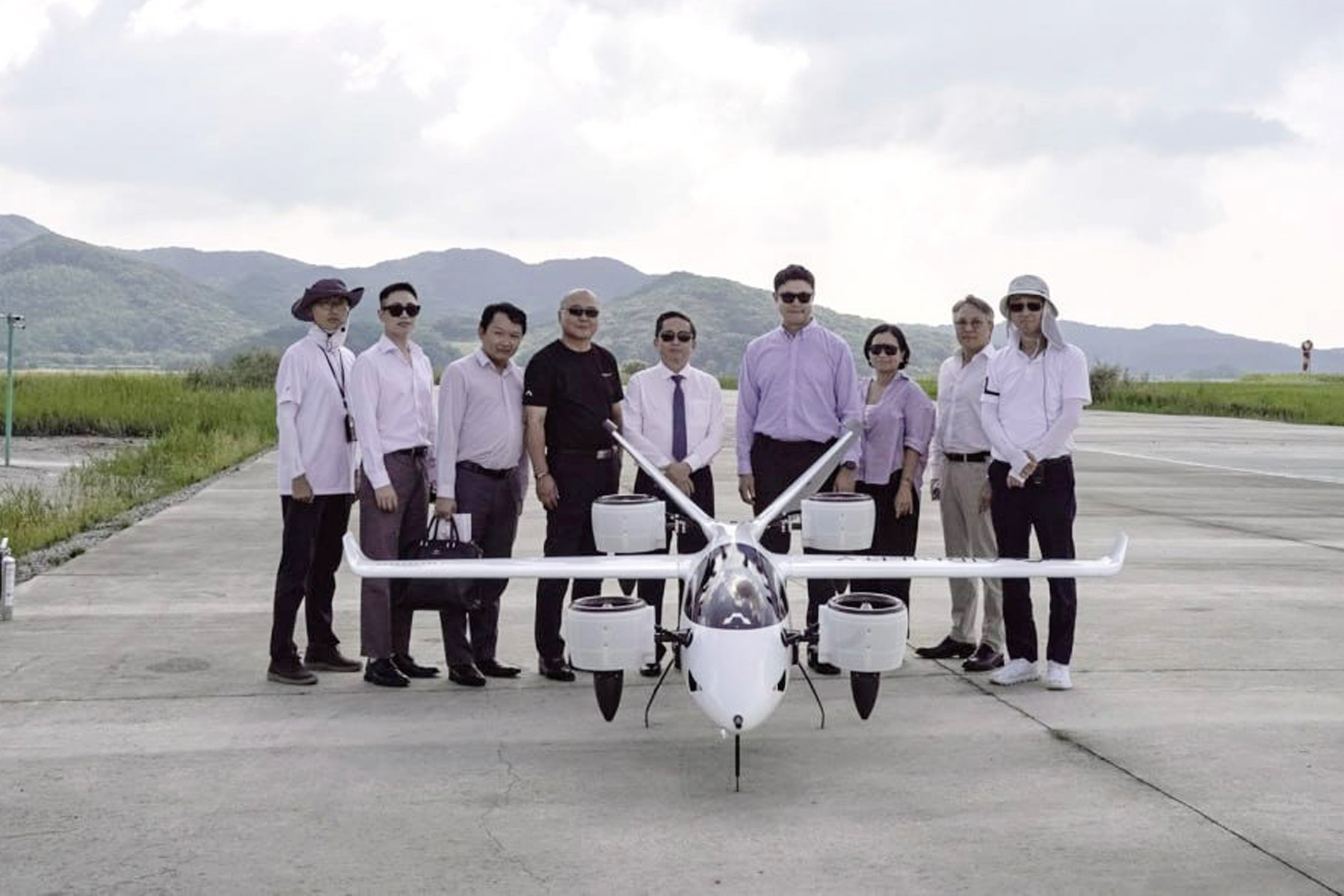


Can Tho is steadily embracing UAV technology and advanced digitalization solutions to build a green, smart urban ecosystem. Cooperation with CT Group not only opens up opportunities for developing the low-altitude economy, but also lays the groundwork for large-scale infrastructure projects connecting the Mekong Delta region.
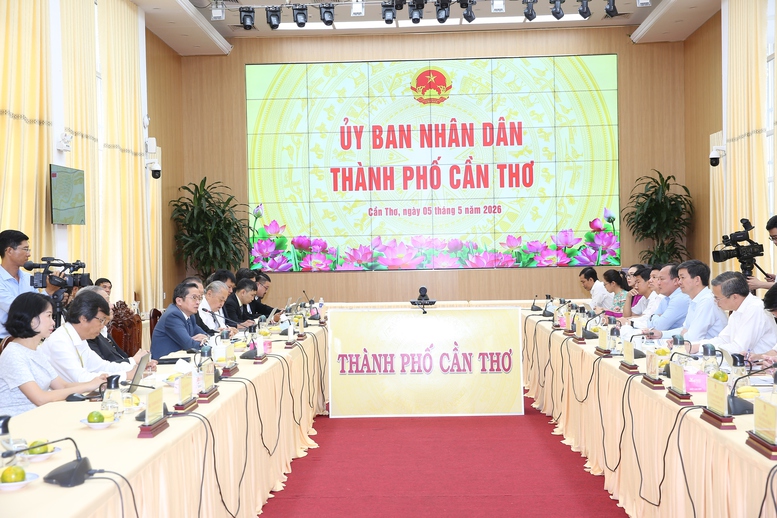
CT Group has proposed that Can Tho City allocate approximately 10,000 hectares of land for the development of TOD (Transit-Oriented Development) urban areas along the route – Photo: VGP/LS
Expanding UAV Applications in Urban Management and Economic Development
On May 5, Secretary of the Can Tho Party Committee Le Quang Tung and Chairman of the Can Tho People’s Committee Truong Canh Tuyen held a working session with CT Group to discuss cooperation orientations in researching and developing an integrated UAV (Unmanned Aerial Vehicle) technology ecosystem associated with green, smart urban development and high-tech service ecosystems.
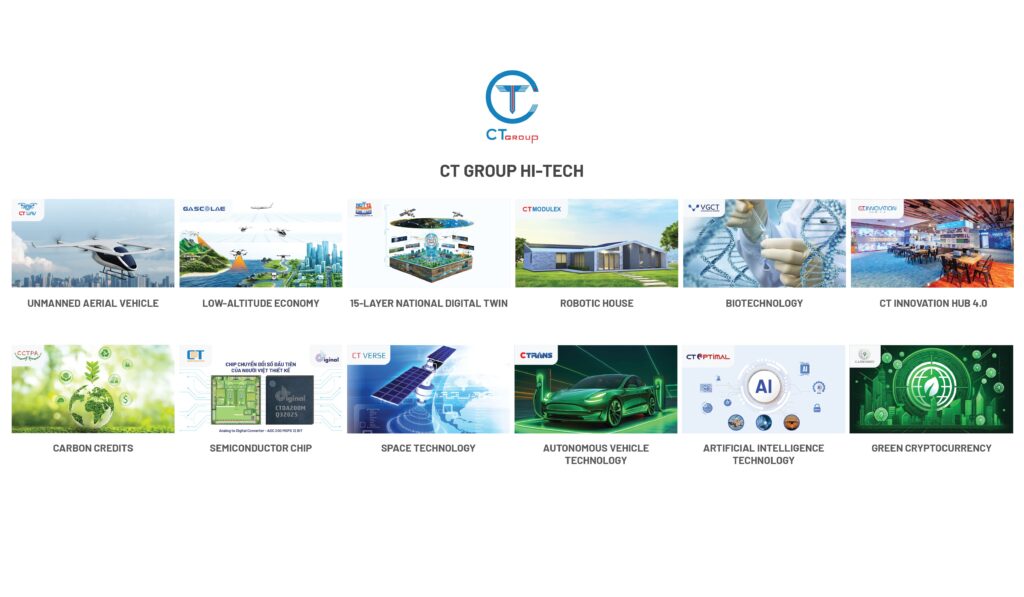
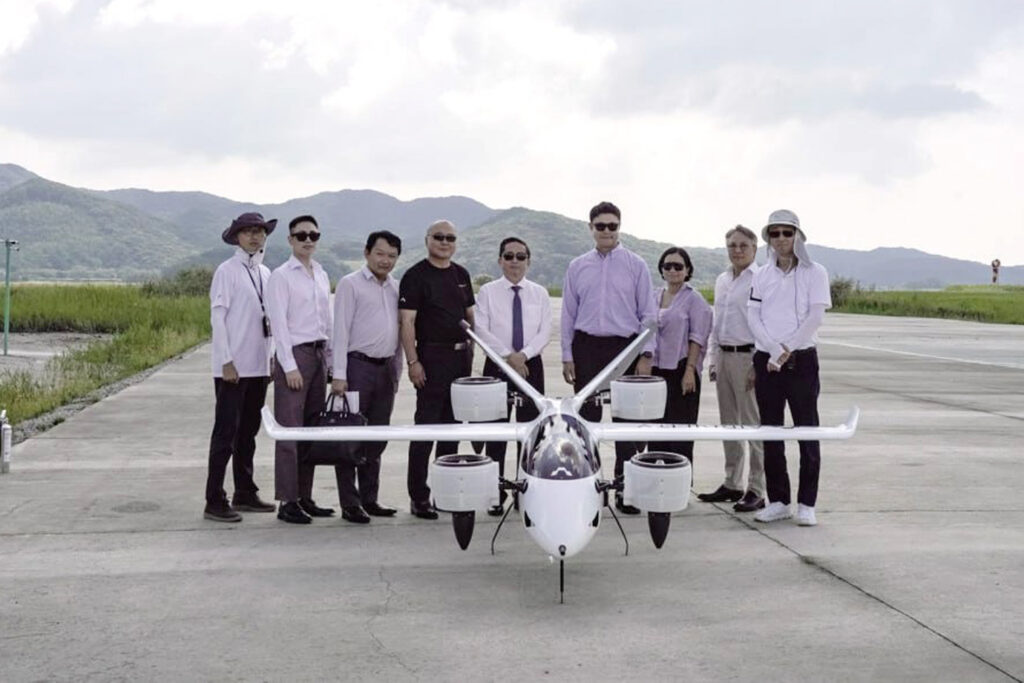
At the meeting, CT UAV – a member company of CT Group – proposed deploying multiple UAV applications in urban management and development. The solutions focus on patrol and area security surveillance; building shared data systems; smart urban management; developing the low-altitude economy; as well as UAV applications in agriculture, crop monitoring, salinity intrusion tracking, resource management, and carbon credit monitoring.
Notably, the company proposed applying UAV technology to smart tourism development through 3D scanning of tourist destinations, tourism activity monitoring, and crowd coordination at key locations such as Cai Rang Floating Market, Ninh Kieu Wharf, and Con Son Islet. This is considered a new approach to improving tourism management quality and visitor experiences in the locality.
High Technology Driving Digital Transformation and the Green Economy
Beyond urban management, UAV technology has also been proposed for water resource monitoring, environmental supervision, and carbon credit development in ecological areas. CT UAV additionally introduced its AI-integrated UAV product ecosystem designed to support provincial science and technology missions across multiple sectors, including infrastructure monitoring, firefighting and rescue, smart agriculture, and digital transformation.
Representatives of Can Tho City’s leadership stated that the initial application of UAVs has already delivered positive results in several practical areas. The working session provided an opportunity for departments and agencies to update their understanding of new technologies, thereby studying, reviewing, and proposing solutions suitable to local conditions while ensuring practical feasibility.
According to the discussions, the Can Tho People’s Committee and CT Group agreed to jointly research cooperation directions, clarify resource mobilization capabilities, and determine implementation plans. The deployment process will comply with legal regulations while aiming for efficiency, sustainability, and alignment with the city’s strategies for science and technology development, innovation, and digital transformation.
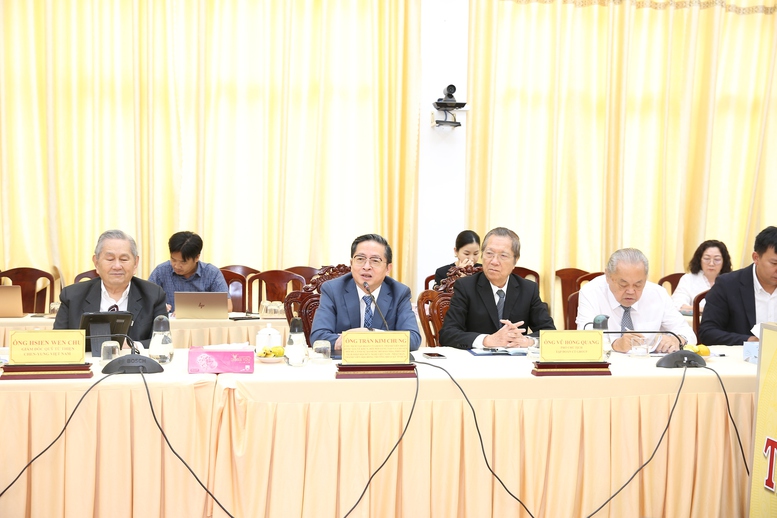
CT Group Chairman Tran Kim Chung speaking at the working session – Photo: VGP/LS
Proposal for a High-Speed Railway Connecting the Mekong Delta
Alongside technological solutions, CT Group also proposed a major infrastructure project: the Ho Chi Minh City – Can Tho – Ca Mau high-speed railway line, with a total length of approximately 282.2 km divided into two phases. Phase 1 spans more than 160 km from Thu Thiem Station to Cai Rang Station (Can Tho City), while Phase 2 extends 120 km further to Ca Mau Station.
The railway is proposed to be built to double-track standards with a 1,435 mm gauge, electrified operations, and mixed passenger-freight services at a designed speed of 200–250 km/h, while also studying a 350 km/h option. The system would utilize CTCS-3 train control technology and centralized dispatching with a minimum train interval of three minutes.
To mobilize resources for implementation, the company proposed that Can Tho City allocate approximately 10,000 hectares of land for TOD urban developments along the route. Revenue from land-use rights auctions and station-oriented urban development is expected to contribute 20–25% of the total investment capital, helping reduce pressure on the state budget.
The project’s preliminary investment capital is estimated at around USD 12 billion (excluding land clearance costs), with implementation proposed under a special PPP mechanism in which 80% of the capital would come from the state budget and 20% from equity capital and other legally mobilized sources.
Toward a Smart City and a Comprehensive UAV Ecosystem
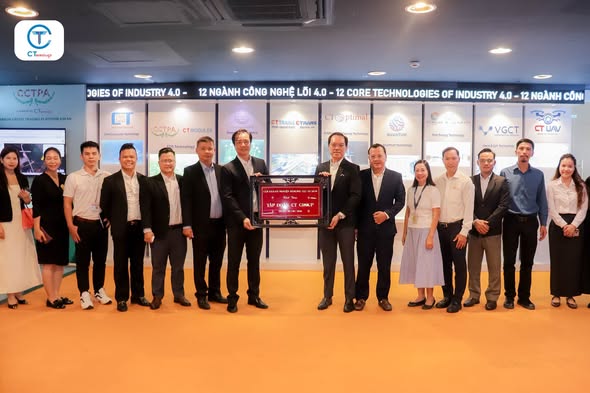
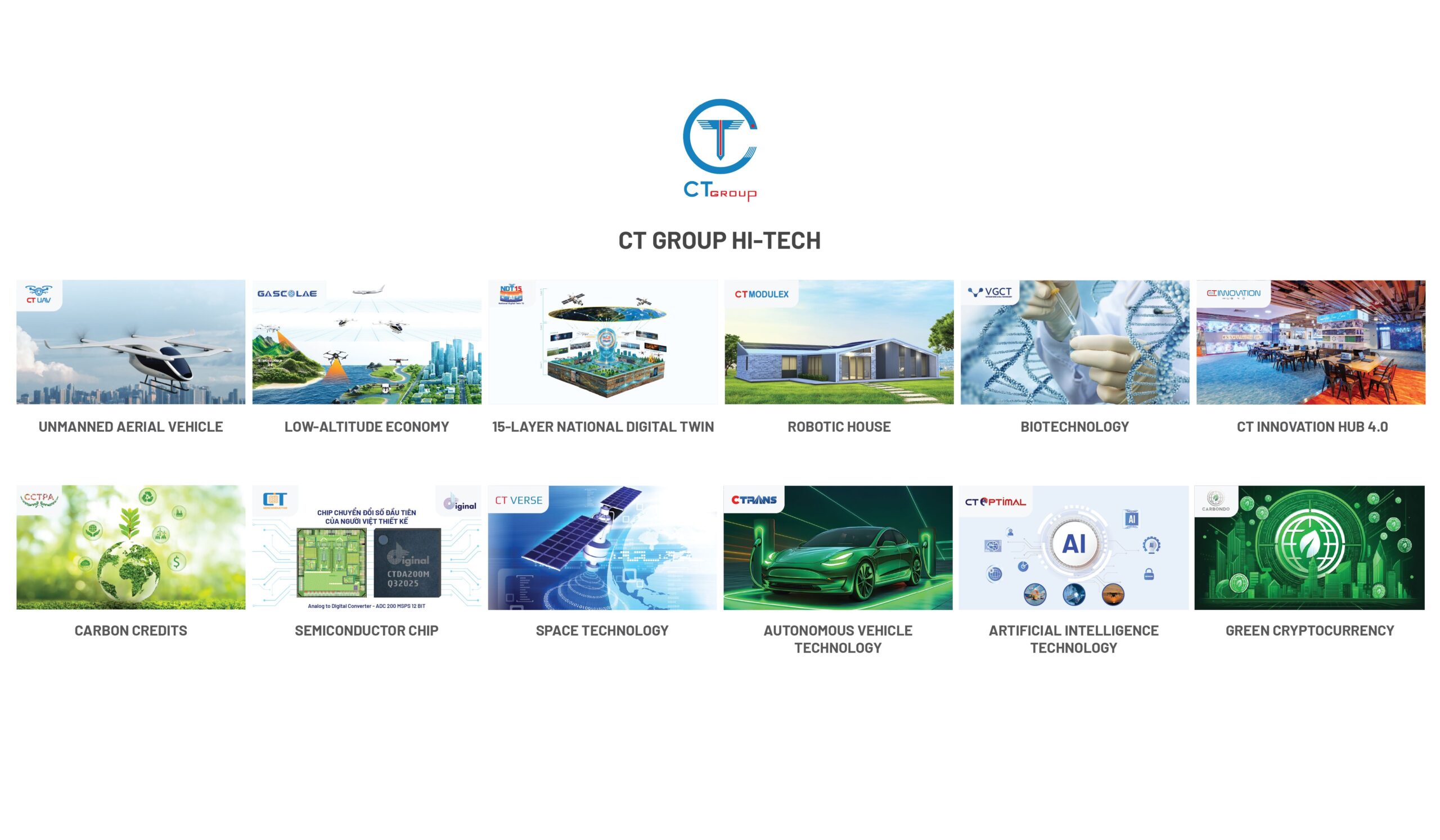
In parallel with its infrastructure proposals, CT Group stated that it is developing multiple core technologies such as UAVs, semiconductors, artificial intelligence, robotics, and new energy solutions. In agriculture, UAVs can spray pesticides and distribute fertilizers with a productivity of approximately 67 hectares per day — many times higher than manual labor. In infrastructure construction, UAVs can support power line installation with superior efficiency.
Regarding digital transformation, the company proposed a synchronized implementation strategy across three pillars: citizen digital transformation, organizational digital transformation, and the development of digital data models aimed at creating “digital twins” for management and operations.
These proposals are expected to help address bottlenecks in economic development, logistics, and flooding challenges in Can Tho, while promoting the establishment of a comprehensive UAV ecosystem encompassing research, design, manufacturing, testing, operations, and workforce training.
Speaking at the meeting, Chairman of the Can Tho People’s Committee Truong Canh Tuyen highly appreciated CT Group’s proposals and stated that these orientations are aligned with the city’s development strategy.
“Following detailed studies and evaluations of the proposed solutions, the Can Tho People’s Committee and CT Group will sign a Memorandum of Understanding to define timelines, implementation roadmaps, and the specific responsibilities of each party,” emphasized Mr. Truong Canh Tuyen.
To accelerate the realization of these proposals, the Chairman assigned departments and agencies to closely coordinate with CT Group and its member companies in conducting research, surveys, and advisory proposals to the city leadership within their assigned functions and responsibilities.
Cooperation with CT Group is considered an important first step for Can Tho to access advanced technologies and gradually develop a green, smart city meeting international standards, integrated with high-tech applications in governance, production, and daily life, thereby creating a foundation for sustainable development in the coming phase.
________________________
Follow CT Group on Facebook for the latest updates and news!